Corporate Shuttle Booking Guide for Better Events
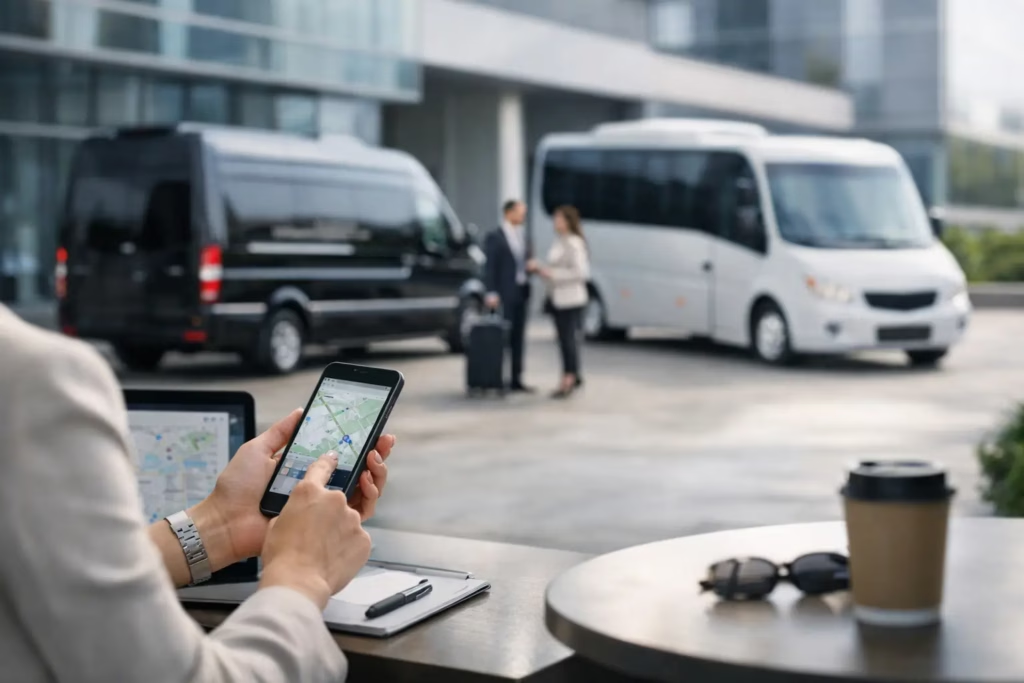
A corporate event can have exceptional speakers, a beautiful venue, and a carefully planned agenda, then lose momentum in a parking lot. This corporate shuttle booking guide is designed to prevent that. When guests arrive together, on time, and relaxed, transportation becomes part of the hospitality rather than the first problem your team has to solve.
Corporate shuttle service is especially valuable when parking is limited, the venue is outside the city center, attendees are arriving from multiple hotels, or the day includes off-site dinners and activities. The goal is not simply moving people from Point A to Point B. It is creating a dependable, polished experience that respects everyone’s time.
Corporate Shuttle Booking Guide: Start With the Movement Plan
Before requesting a quote, map the actual passenger journey. “We need a shuttle for 80 people” is a useful starting point, but it does not tell a transportation partner when people will be ready, where they are coming from, what they are carrying, or how quickly they need to arrive.
Start with the event schedule and work backward. Identify the pickup locations, guest count at each stop, venue arrival deadline, and final drop-off requirements. For an executive retreat, that may mean airport pickups followed by hotel-to-meeting transportation and an evening transfer to dinner. For a conference, it may mean rotating hotel loops during the morning rush, then a clean departure plan at the end of the day.
Build in time for real life. Guests need a few minutes to exit a hotel, load a vehicle, find their seat, and settle in. Traffic, weather, road construction, and large venue entrances can also change the pace. A schedule that looks perfect on paper but leaves no margin is not a premium transportation plan. It is a very expensive way to make everyone late.
Decide Whether You Need One Route or Multiple Waves
The right shuttle format depends on timing as much as headcount. A single large group traveling at the same time may be best served by a larger coach-style shuttle or several coordinated vans. If guests leave at different times, a scheduled loop or multiple departure waves usually provides a better experience.
Avoid filling every seat just because a vehicle technically holds that number of passengers. Attendees may have luggage, presentation materials, winter coats, or personal space expectations. A comfortable capacity plan also makes boarding faster and gives the group a more refined arrival.
For VIPs, speakers, and executives, separate black car or luxury SUV service can be a smart addition to the shuttle plan. It provides privacy and flexibility without forcing your entire group operation to revolve around a few individual schedules.
Choose the Right Vehicle for the Guest Experience
Vehicle selection should match the purpose of the trip. A transit van may be an efficient choice for a short hotel-to-venue route with a modest group. A sprinter van offers more comfort and a premium feel for client teams, leadership groups, and airport transfers. Larger shuttles are practical for conferences, employee transportation, and high-volume events.
Ask for the passenger capacity with luggage considered, not just the maximum seated capacity. This is essential for airport arrivals and multi-day programs, where carry-ons, garment bags, trade-show materials, and golf clubs have a funny way of appearing at the last minute.
Also consider the image you want to project. If you are hosting prospective clients, senior leadership, or out-of-town guests, the vehicle is an extension of your brand. A clean, modern fleet and professionally presented chauffeur signal that the details have been handled before anyone reaches the venue.
Give Your Transportation Partner Useful Details Early
A precise quote and a reliable operation start with complete information. Share your date, pickup windows, passenger count, route, venue address, and anticipated end time. Add flight details for airport service, hotel loading instructions, event contact names, and any known mobility or accessibility needs.
The more complex the event, the more valuable a single decision-maker becomes. Designate an on-site transportation contact who can approve small adjustments, answer chauffeur questions, and communicate changes quickly. That person does not need to manage every guest. They simply need to be reachable when the schedule moves.
For major events, provide a simple run sheet that includes each pickup, departure time, vehicle assignment, and primary contact. It should be clear enough that a new team member could understand the plan at a glance. Confusion tends to grow quickly when 60 people are waiting in a hotel lobby with coffee in hand.
Ask the Questions That Protect Your Budget
The lowest quote is not always the lowest final cost. Corporate transportation pricing can depend on vehicle type, minimum booking time, travel distance, wait time, overnight requirements, tolls, parking, and itinerary changes. Request an itemized quote so you understand what is included before confirming service.
Ask how overtime is handled if a meeting runs long, what happens if the route changes, and whether there are charges for additional stops. You should also confirm cancellation terms and the process for adding or reducing vehicles as attendance numbers firm up.
There is a trade-off between flexibility and cost. Holding extra vehicles on standby can protect a high-stakes event from last-minute demand, but it increases the budget. For a less formal internal gathering, a fixed schedule and clear guest instructions may be the more sensible option. The right choice depends on how much disruption a late arrival or missed departure would create.
Communicate Like a Great Host
A shuttle plan only works when guests know where to be and when. Send transportation details before the event, then repeat the essentials on the day of travel. Include pickup location, boarding time, vehicle description, estimated ride time, and a contact number for urgent questions.
For hotel departures, make the meeting point specific. “Main entrance” can mean three different doors at a large property. Instead, state whether guests should meet at the north entrance, valet circle, conference level, or a designated loading zone.
Live text updates can make a meaningful difference when flights shift, meetings end early, or traffic slows the route. Guests do not need a play-by-play. They need calm, useful information: where the vehicle is, when it will arrive, and what they should do next.
Plan for the Details That Tend to Get Missed
Experienced event planners know that the return trip deserves just as much attention as arrival. People leave receptions at different times, some guests may need airport or hotel drop-offs, and a late departure can affect vehicle availability and chauffeur hours. Decide in advance whether everyone returns together, whether there will be staggered runs, or whether select guests require private service.
Weather also deserves a place in the plan, particularly for travel between Calgary, Canmore, Banff, or Lake Louise. Winter conditions may affect travel times, luggage handling, and pickup procedures. A professional provider can help set realistic timing, but the itinerary should allow room for the road rather than pretending the road will cooperate.
Finally, confirm the day-before details: final passenger count, route order, contact list, pickup signage, and special requests. This short check catches small issues while they are still easy to fix.
Make Transportation Feel Effortless to Your Guests
The best corporate shuttle service is noticed for the right reasons: a courteous chauffeur, a comfortable ride, a vehicle waiting where it should be, and an arrival that feels organized rather than rushed. Guests may never see the routing decisions, timing buffers, or contingency planning behind the scenes. That is exactly the point.
For corporate groups in Calgary and across Southern Alberta, Cascade Limo can tailor shuttle, executive car, and airport transportation around the schedule your event actually requires, with transparent quotes and real-time communication. Start with a clear movement plan, give your guests simple instructions, and let the ride set the tone for a first-class day.