Wedding Pickup Scheduling That Keeps the Day Moving
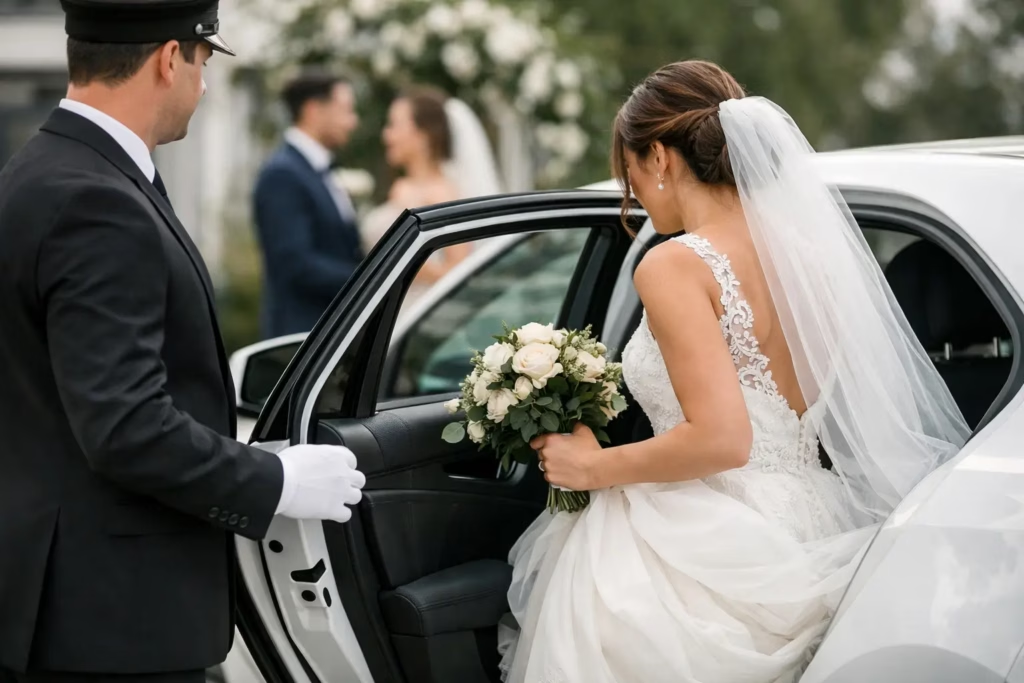
The first photo is scheduled. The ceremony is scheduled. Even the cake has a delivery window. Yet wedding pickup scheduling is often left until the final weeks, when one missed text, an overstuffed SUV, or a slow hotel elevator can put a bridal party behind before the celebration begins.
Great wedding transportation feels effortless because the planning behind it is precise. It gives the couple room to enjoy the morning, lets VIP guests arrive with confidence, and ensures the exit feels as polished as the entrance. The goal is not simply to get people from point A to point B. It is to create a calm, well-managed rhythm for a day that has very little room for improvisation.
Start Wedding Pickup Scheduling With the Real Timeline
A wedding itinerary may say the ceremony begins at 4:00 p.m., but transportation needs a more detailed version of that plan. Start with the moments that require a vehicle: getting ready, first-look photos, the ceremony, portrait locations, cocktail hour, the reception, and the late-night departure. Then work backward from each non-negotiable arrival time.
For example, a bridal party expected at a venue at 3:30 should not be scheduled for a 3:30 pickup. Factor in loading time, traffic, parking, the walk from the drop-off area, and the usual last-minute search for a phone, boutonniere, or garment bag. A professional chauffeur can manage the route, but the schedule still needs enough breathing room to work.
The best pickup plans treat the ceremony start as a hard deadline and everything before it as a controlled runway. For most wedding parties, arriving 20 to 30 minutes before the required ready time is more useful than arriving precisely on time. That margin absorbs normal wedding-day motion without making the group feel rushed.
Build Around People, Not Just Addresses
A vehicle count based only on headcount can create awkward surprises. A group of 12 may fit on paper, but not if everyone has formalwear, bouquets, photography gear, coolers, or overnight bags. Consider who is traveling together, what they are carrying, and whether they need to be somewhere at exactly the same time.
The couple may want a private luxury sedan or SUV for a quiet moment between the ceremony and reception. The wedding party may be better served by a stretch limousine, Sprinter van, or party bus that keeps everyone together and photo-ready. Parents, grandparents, and other VIPs often appreciate a separate, easy-access vehicle rather than being folded into the party bus plan.
There is also a practical distinction between a one-way transfer and dedicated service. A one-way trip can work beautifully for guests traveling from a hotel to the venue. Dedicated transportation is often the better choice for the wedding party, especially when the day includes multiple photo locations or an uncertain reception timeline. The right choice depends on how many moving parts your day has and how much flexibility you want after the ceremony.
Assign one person to own the ride details
The couple should not be fielding “Where is the car?” messages while getting dressed. Choose a transportation point person, such as a planner, maid of honor, best man, or organized family member. This person should have the chauffeur contact information, final pickup list, venue instructions, and a clear understanding of who rides where.
Share the same information with everyone who needs it, but keep decision-making with one person. That prevents six guests from offering six different pickup locations by text an hour before departure. Modern live ride updates are especially helpful here, giving the designated contact clarity without turning transportation into a group-chat sport.
Use Pickup Windows That Respect the Day
The exact pickup time is only one part of the promise. A pickup window recognizes that people need a few minutes to gather, load, and get settled. It also lets the chauffeur arrive prepared rather than circling a crowded hotel entrance while the group finishes photos in the lobby.
For hotel pickups, ask the group to be in the lobby 10 to 15 minutes before the scheduled departure. This is particularly valuable for large downtown properties, where elevators, valet lines, and multiple entrances can quietly consume time. Give guests the exact lobby or door to use, not just the hotel name.
At private homes, confirm whether the vehicle can access the driveway or should wait curbside. At venues, clarify the preferred entrance, turnaround area, and any restrictions for larger vehicles. A stretch limo, Sprinter, and party bus do not move through every loading zone in the same way. A few minutes of advance coordination protects the guest experience and avoids a very unglamorous curbside scramble.
Plan for Calgary Traffic and Alberta Distances
In Calgary and across Southern Alberta, travel times can shift quickly with construction, rush hour, weather, sporting events, and road conditions. A wedding at a mountain venue adds another layer of planning. Routes to Canmore, Banff, or Lake Louise deserve realistic drive times, rest stops where appropriate, and more contingency than a short city transfer.
If your ceremony and reception are in different locations, do not rely on the shortest route shown on a map. Consider peak traffic, road closures, guest parking, and whether photos will take place between events. Build a route that protects the schedule, then leave room for the unexpected.
For mountain weddings, it is wise to confirm seasonal conditions and plan for an earlier departure than feels necessary. The extra time is rarely wasted. It becomes a relaxed moment for the wedding party, a chance to enjoy the view, or simply a buffer that keeps the day from feeling like a race.
Do Not Forget the Guest Transportation Question
Not every wedding needs a guest shuttle. For a reception with abundant nearby parking and a mostly local guest list, individual arrivals may be the simplest choice. But transportation becomes a major hospitality detail when parking is limited, the venue is remote, guests are staying at one or two hotels, or you want everyone to celebrate without assigning a designated driver.
A shuttle schedule should be simple enough to remember. Rather than publishing a long series of complicated stops, establish clear departure windows from the hotel and clear return waves after the reception. Early departures help older guests and families leave comfortably. Later runs serve guests who plan to stay for dancing, dessert, and the final toast.
If alcohol will be part of the celebration, transportation helps make the evening safer while preserving the VIP feeling. Cascade Limo is licensed to serve alcohol in its vehicles, subject to service details and applicable requirements, which can add a celebratory touch to the right wedding itinerary. The focus should remain on responsible enjoyment and a reliable ride home.
Confirm the Details Twice
A thoughtful plan can still stumble if the final information is scattered across emails, texts, and a planner’s notebook. Confirm all transportation details about two weeks before the wedding, then conduct a short final check 48 to 72 hours before the first pickup.
Your final confirmation should cover the date, pickup addresses, pickup and departure times, passenger counts, vehicle assignments, venue entrances, photo stops, luggage needs, and the day-of contact. Mention accessibility needs, child seats, or mobility concerns early enough for the right vehicle and arrangements to be made.
This is also the time to review the quote. Transparent, itemized pricing makes it easier to understand what is included, whether service time is adequate, and where an extra stop or late-night extension could affect the plan. The least expensive option is not always the best value if it leaves no buffer for a wedding day that runs long.
Make the Exit Worth Scheduling Too
Couples often devote their transportation energy to the ceremony and forget the end of the night. But a polished getaway car or private SUV gives the newlyweds a breather after hours of hosting. It is also the difference between ending the evening in a crowd at the valet stand and stepping directly into a comfortable, chauffeur-driven ride.
Decide in advance whether the couple is departing at a set time, leaving after a final song, or staying flexible. If there is a sparkler exit or other sendoff, coordinate the vehicle placement so it supports the photos without blocking guests or venue operations. A few minutes of planning creates an exit that feels intentional rather than improvised.
The best wedding transportation plan gives every important person a clear place to be and gives the couple one less thing to manage. When the vehicles, timing, and communication are handled with care, the day has more room for the moments no timeline can manufacture.